Need home concrete driveways in Kissimmee?
Planning a driveway or patio? Request an estimate and a local provider in our network will reach out. Questions first? Email contact@callofdns.bar.
No obligation
Request an estimate
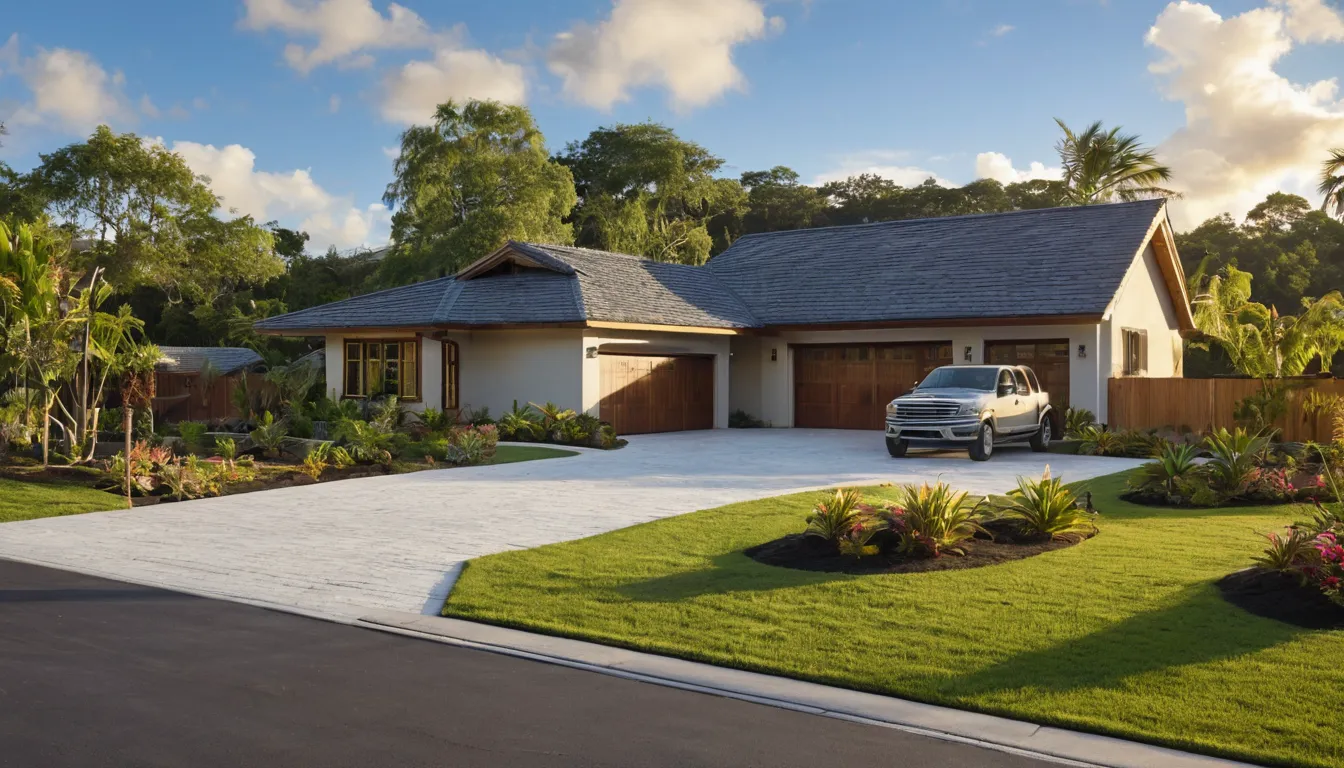
A new driveway is a big job, and most people only do it once. Mistakes are easy to make and hard to undo. Concrete does not forgive a rushed base, poor drainage or a thin slab.
Callofdns Concrete is a referral service. We explain how a driveway project works, then connect you with independent local providers in our network who do the actual work. You can compare written estimates at your own pace. Providers around the Kissimmee area understand heavy summer rain, soft soil and storm season, so ask how they plan for them. Slow down, get it written, and choose with confidence.
Most homeowners start by asking one thing: can this driveway be saved? Look at it on a dry afternoon, then again after a hard rain. The way it behaves in both tells you a lot.
One hairline crack is normal. A pattern of trouble is not. Watch for these:
Do not wait until a slab breaks under a vehicle. A tripping edge can also hurt someone walking to the car.
Concrete driveway repair can work for a few small cracks or one chipped corner. It rarely works when the base underneath has failed. Patching over a sinking slab usually just hides the problem for a season. If more than a third of the surface is damaged, a full replacement is often the more sensible plan. A local provider can look at it and tell you honestly which path fits.
Do take note if cracks run toward the walls, or if doors and windows start to stick. That can mean soil movement, which is not a driveway job. Foundation repair experts handle that kind of problem, and it should be sorted out before new concrete goes down beside the home. Do not pour fresh flatwork against a wall that is still moving.
A proper job has several stages, and each one matters:
Ask each provider to list these stages in the estimate. A missing line often means a skipped step.
Measure how you really use the space. A single-car driveway is often about 10 to 12 feet wide. Two cars side by side need about 20 feet. Add room for turning if you back out into traffic.
Most home driveways are poured around four inches thick. Heavy trucks, RVs or delivery vehicles may call for five or six inches and stronger reinforcement. A light broom finish gives grip when wet, which matters in a rainy climate. Very smooth finishes get slippery. Ask to see a sample.
Almost daily summer storms put water on concrete again and again. The slab should slope gently away from the house and garage. Ask the provider how water will leave the driveway and where it will go. Do not accept a plan that sends runoff toward a block wall or a neighbor's yard.
The apron is the section where your driveway meets the street or sidewalk. Many cities treat it as public right-of-way. That can mean a permit, set dimensions and an inspection. Ask each provider who pulls permits and who pays the fee. Do not start work without the paperwork. A job done without it can be ordered torn out.
Many subdivisions and condo communities have rules about color, width and materials. Check with your association before you sign anything. Get the approval in writing and keep a copy.
Concrete needs dry weather to place and cure well. Hurricane season and daily storms can delay a pour. A careful provider will watch the forecast and move the date rather than pour into a downpour. Do not pressure anyone to pour on a stormy day just to keep the schedule. Request a callback to check provider availability for the weeks you have in mind.
Do:
Do not:
Ask, then compare. Slow down, get it written.
How deep will the base be? What reinforcement is used? How are joints placed? What happens if rain arrives mid-pour? Who handles cleanup? Clear answers show the provider has done this many times.
Keep people, pets and bikes off the surface for the first day or two. Keep cars off for about a week, or as the provider advises. Water from sprinklers should not hit fresh concrete. Mark the edges with tape or cones so nobody steps in by mistake.
Sealing is often put off for about a month, so ask for the timing. Rinse the surface regularly, clear leaves and mold, and avoid harsh de-icers or strong chemicals. Small cracks that appear later are usually cosmetic. Take photos and tell the provider early if you see anything unusual.
Providers break up and haul away the worn concrete so the new slab starts on a clean site.
Soil is shaped and compacted, then topped with gravel so water drains and the slab stays steady.
Edge forms set the shape, while rebar or mesh helps hold the concrete together.
Concrete is placed, leveled and textured, then protected while it hardens properly.
Prices vary by region, site access, thickness and finish. These typical U.S. ranges are only a starting point, so always get a written quote.
| Item | Typical range | Notes |
|---|---|---|
| Standard broom-finish concrete | $6 – $12 per sq ft | Depends on thickness and local concrete prices |
| Single-car driveway | $2,500 – $5,500 | Size and base work change the total |
| Two-car driveway | $4,500 – $9,000 | Wider slabs need more material and labor |
| Old slab removal and haul-away | $1 – $3 per sq ft | Thicker or reinforced slabs cost more |
| Reinforcement (rebar or fiber) | $0.50 – $1.50 per sq ft | Heavy vehicles may need more |
| Permit and apron work | $100 – $3,500 | Varies by city and what the apron needs |
Walk the surface, note cracks, sunken spots and puddles, and take a few clear photos.
Send a short form with your measurements, goals and any association rules you already know.
Line up scope, thickness, base depth, timing and payment terms from each provider.
Sign a written agreement, settle permits, and pick a pour date with weather room.
Read the steps, the choices and the common mistakes before you speak to anyone doing the work.
Independent providers in our network know nearby soil, rain patterns and permit habits for this area.
Request an estimate, then compare scope, thickness and base details side by side without pressure.
Asking for estimates does not commit you to hire anyone, so you can decide calmly.
Planning a driveway or patio? Request an estimate and a local provider in our network will reach out. Questions first? Email contact@callofdns.bar.
A well-built concrete driveway often lasts several decades. Results depend on the base, thickness, drainage and weather exposure. Ask providers how they prepare the soil, since a weak base is a common cause of early cracking.
Many providers ask you to wait about seven days before parking cars, and longer for heavy trucks. Foot traffic may be fine sooner. Follow your provider's written instructions, since mix and weather can change the timing.
Sometimes a thin overlay is possible if the old slab is sound, but it will not fix a failed base or deep cracks. A provider can inspect it and explain whether removal and a full replacement make more sense.
Planning a driveway or patio? Request an estimate and a local provider in our network will reach out. Questions first? Email contact@callofdns.bar.
No obligation