Need concrete patios services in Kissimmee?
Planning a driveway or patio? Request an estimate and a local provider in our network will reach out. Questions first? Email contact@callofdns.bar.
No obligation
Request an estimate, then compare
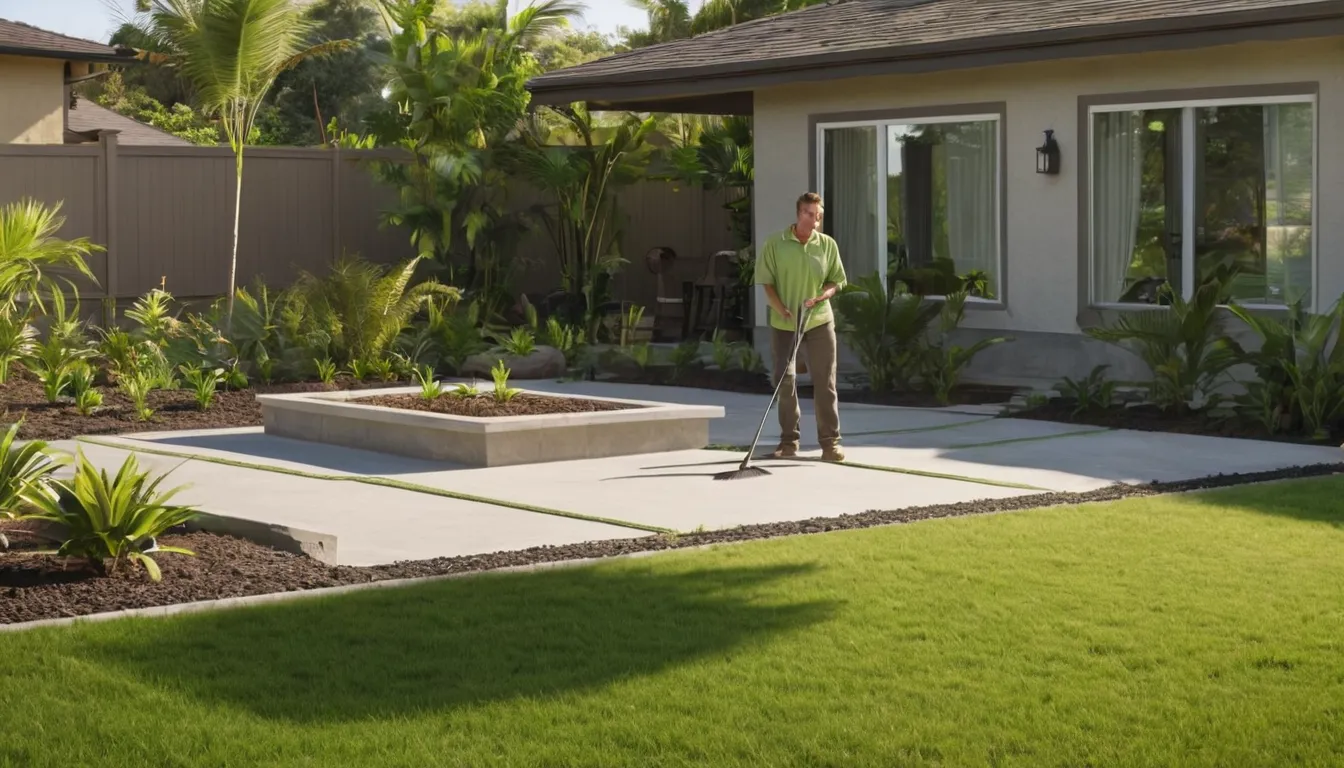
A concrete patio is a big step if you have never ordered one. The slab sits beside your home for decades, so small mistakes in slope, thickness or timing can stay with you. This page walks through the choices in plain words before anyone mixes a batch.
Callofdns Concrete is a referral service. We do not pour concrete. We explain the steps and the common errors, then connect you with independent providers in our network who handle the work around Kissimmee and the Kissimmee area. You can compare written estimates at your own pace, ask your own questions and decide with a clear head. Plan before you pour.
Walk your yard after a hard rain. Notice where water collects and where it runs. This one habit tells you more about your future patio than any brochure.
Do mark the soft, soggy spots. Do not assume a flat-looking lawn drains well. Many homes here sit on slabs with little elevation, so water has few places to go.
Concrete does not rot, and termites ignore it. That matters in a place with high humidity most of the year and near-daily summer storms. Wood decks stay damp and age fast in that air.
Concrete also handles heavy rain and wind-blown debris without fuss. It still needs some care, but the upkeep is light. Sealing and occasional washing cover most of it.
Know the usual steps so no quote surprises you. Providers word them differently, but the work follows a pattern.
The provider marks the area, removes grass and soil, and sets a compacted gravel or stone base. Do not let anyone skip the base to save time. A weak base is a common cause of sinking slabs.
Wood or metal forms shape the edges. Steel bar or wire mesh goes inside to help control cracking. Then the provider's crew pours, levels and sets the slope.
The surface gets its texture, and control joints are cut so cracks follow neat lines. Fresh concrete then needs days to cure. Keep furniture, pets and foot traffic off until the provider says it is safe.
Most first-timers go too small. Set your table and chairs on the lawn, then add about three feet around the edge so chairs can slide back. Add room for a grill if you plan one.
Do not forget the walkway to the door. Adding square footage later means a visible seam, so decide on size now. Ask each provider to write the exact dimensions on the estimate.
You have more choices than plain gray. Each one changes the price, the grip and the look.
A light broom texture is common because it gives traction when wet. A very smooth trowel finish looks sleek but can be slippery in rain. For a pool-side or storm-prone spot, pick grip first.
Stamped concrete patios use patterns and color to imitate stone, brick or slate. They cost more than plain slabs and need sealing to keep color bright. Ask to see finished samples, not only catalog photos.
Integral color is mixed through the slab. Borders and exposed stone add detail at modest cost. Light colors stay cooler under strong sun, which your bare feet will notice.
A patio should slope gently away from the house. Many providers aim for about a quarter inch per foot, though your site may need something different. Do not accept a flat pour against your wall.
Water pooling at the edge of a block home can cause trouble over time. If you already see cracks, gaps or sticking doors, talk with foundation repair experts before adding a slab. Pouring first can hide a problem you need to see.
This page is about new patios. If you need concrete driveway repair, that is a different project with different questions.
Ask, then compare. Gather at least two or three written estimates for the same size, thickness and finish. If numbers differ widely, find out why before you pick the lower-priced one.
Ask each provider whether they carry their own insurance and hold the licenses your area requires. Check those details yourself. Callofdns Concrete does not vouch for any provider's credentials, so verification is your job.
A clear, patient answer is a good sign. A rushed answer is a reason to keep looking.
Fresh concrete and heavy rain do not mix. Ask how the provider protects a pour when storms pop up. Hurricane season runs June to November, so schedules can slip. Slow down, get it written, and ask what happens if weather moves the date.
Keep heavy vehicles off the slab. Wash away leaves and mildew so the surface stays safe to walk on. Seal the concrete as your provider advises, often within the first year and again every few years.
Do not use harsh deicers or strong acids unless the provider approves them. Sweep, rinse and look for small cracks now and then. Early notice keeps small things small.
Write down your size, finish and drainage notes. Then request an estimate, or Request a callback to check provider availability. You will be able to compare options without pressure.
Marking the area, clearing sod and grading the ground so water moves away from your home.
A compacted stone base helps the slab stay level and resist sinking over the years.
Edge forms, reinforcement and a leveled pour set the shape, slope and strength.
Texture, joints and proper curing time give a safe, lasting surface.
These are broad U.S. ranges, not quotes. Your price depends on size, site access, finish and local labor. Always get a written quote that lists materials, thickness and every extra.
| Item | Typical range | Notes |
|---|---|---|
| Plain broom-finish patio | $6 – $12 per sq ft | Most common starting point |
| Stamped or patterned patio | $12 – $25 per sq ft | Pattern and color raise cost |
| Exposed aggregate finish | $8 – $18 per sq ft | Good grip, textured look |
| Excavation and gravel base | $1 – $4 per sq ft | Varies with soil and access |
| Old slab demolition and haul-off | $2 – $6 per sq ft | Only if replacing existing |
| Sealing | $1 – $3 per sq ft | Protects color and surface |
Note drainage, shade, utilities and where you want furniture, a grill or a walkway.
Decide dimensions and texture so every provider quotes the same project.
Send one request and we connect you with independent local providers.
Read each written scope, ask questions and pick the provider that fits.
Read the steps and common mistakes first, so quotes make sense when they arrive.
Providers in our network are separate local businesses that do the pouring themselves.
Request an estimate, review several written offers and decide on your own schedule, with no obligation.
Clear do and do not advice helps first-timers avoid costly slope and base errors.
Planning a driveway or patio? Request an estimate and a local provider in our network will reach out. Questions first? Email contact@callofdns.bar.
Many residential patios are poured about four inches thick over a compacted base. Heavier uses, like a hot tub or vehicles, may need more. Ask each provider to write the thickness and reinforcement on the estimate.
Light foot traffic is often fine after a day or two, but full curing takes weeks. Wait for your provider's guidance before placing furniture, grills or heavy items on the slab.
It depends on your city, patio size and any HOA rules. Some places require permits or setback checks. Ask your provider and your local building office before work begins.
Planning a driveway or patio? Request an estimate and a local provider in our network will reach out. Questions first? Email contact@callofdns.bar.
No obligation