Need stamped concrete help in Kissimmee?
Planning a driveway or patio? Request an estimate and a local provider in our network will reach out. Questions first? Email contact@callofdns.bar.
No obligation
Request your stamped concrete estimate
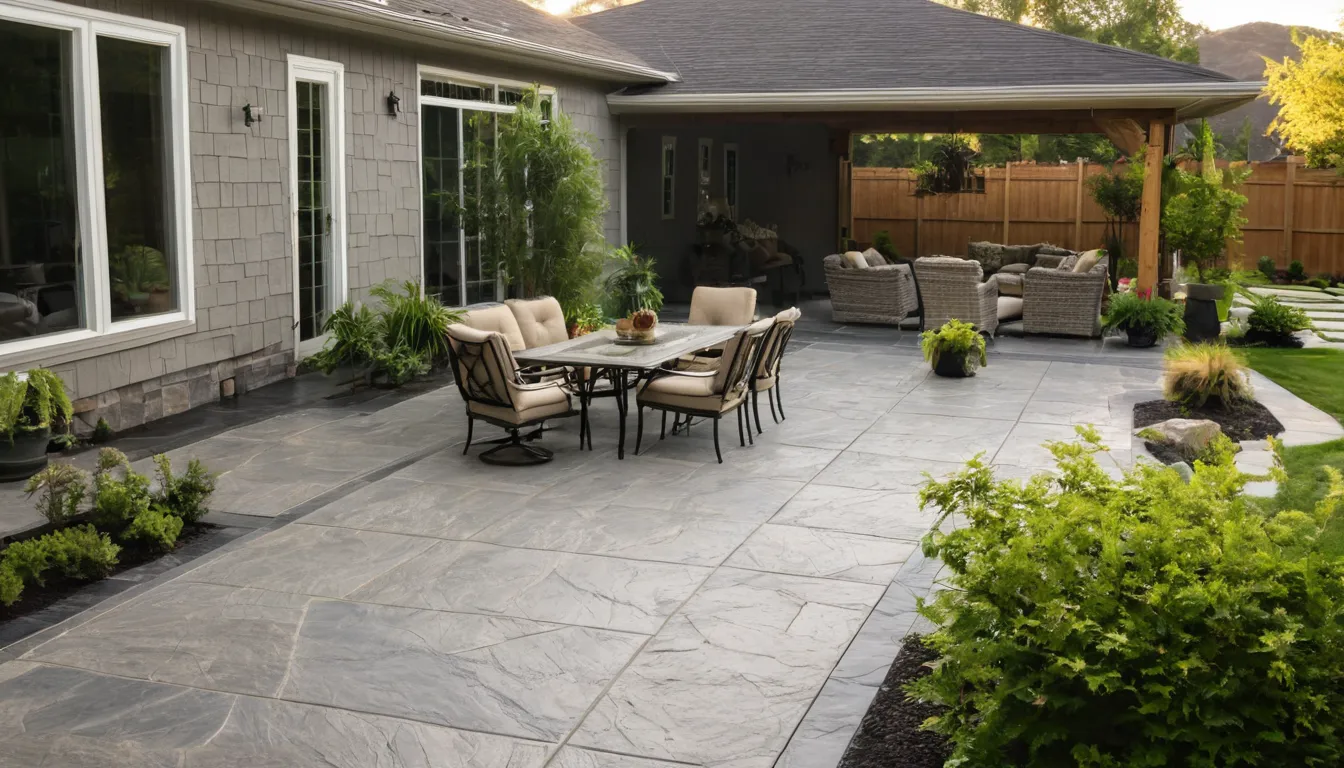
Stamped concrete is poured concrete pressed with patterns so it looks like stone, brick, or wood. It can turn a plain slab into a finished outdoor space. It also has traps for first-timers, like slick sealers, poor base prep, and a pour timed badly around a storm.
Callofdns Concrete is a referral service. We explain the steps, the choices, and the common mistakes. Then we connect you with independent local providers in our network who do the actual work. Plan before you pour, ask questions, and compare written estimates at your own pace. Nothing is decided until you choose a provider.
Stamped concrete is regular concrete pressed with patterns while it is still soft. The result can look like slate, brick, or wood planks. It suits many stamped concrete patios, walkways, and some driveways.
Plan before you pour. A few early choices decide whether the finish looks great for years or turns slick and cracked.
Do check the ground and any old slab before you pick a pattern. Do not stamp over concrete that already moves or has wide cracks. That is a concrete driveway repair or replacement question, not a design question.
If cracks run along a house wall, ask foundation repair experts to take a look before any new patio goes in. Fixing the cause first protects your money.
A provider removes loose soil, adds compacted gravel, and sets wood forms. Concrete flatwork is only as steady as the ground under it. Soft or sandy soil needs extra care.
Color is mixed into the concrete or dusted on top. Mixed-in color runs through the slab. Surface color can wear at the edges over time.
While the concrete is firm but still workable, the crew dusts on a release powder and presses rubber mats into it. Timing matters here. This is why experience counts more than the price per square foot.
Shallow joints are cut so the slab cracks along neat lines. After curing, a sealer protects the color and surface.
Common patterns include ashlar slate, random stone, brick herringbone, and wood plank. Common colors are warm gray, sand, tan, and charcoal.
Do ask to see a sample board outside, in real sunlight. Do not choose a very dark color for a sunny patio, because it can get hot underfoot.
It works well for patios, entry paths, pool surrounds, and some driveways. Many block homes on slabs have a back door close to ground level, so a stamped patio can blend in nicely.
Do make sure the surface slopes slightly away from the house so water drains. Do not let water pool against a wall.
Humid weather and almost daily summer storms make surfaces damp. A glossy sealer on wet stamped concrete can be very slick.
Do ask for a slip-resistant additive in the sealer. Do not accept a high-gloss finish for steps, pool edges, or sloped areas.
Heavy rain on fresh concrete can pit and weaken the surface. During hurricane season, schedules can shift fast.
Ask each provider how they protect a pour and what happens if a storm is forecast. A good plan includes a backup date.
Pavers are individual pieces. You can lift and replace one if it settles or stains. They need joint sand and can shift over time.
Stamped concrete is one solid slab with fewer joints to maintain. If it cracks, a patch may not match the color perfectly. Neither choice is wrong. It depends on your soil, budget, and how much upkeep you want.
A small patio often takes a few days for prep, forms, pour, and stamping. Then the concrete needs time to cure.
Many providers allow light foot traffic after a day or two. Furniture and heavier use usually wait longer, and vehicles longer still. Do not rush it. Ask your provider for a written curing plan.
Do sweep often and wash with mild soap and water. Do plan to reseal every few years, as your provider advises.
Do not use harsh acids or strong chemicals. Do not hold a pressure washer too close, since it can scar the surface.
Ask, then compare. Request photos of past stamped work, and ask how long those jobs have held up. Ask about licensing and insurance where your area requires them.
Do not pay the full price up front. Do not sign anything vague. Slow down, get it written.
Write down your size, shape, and favorite patterns. Then request an estimate. Independent providers in our network can review your plan and send written quotes for you to compare calmly.
A provider looks at drainage, soil, and any old slab before suggesting a design.
Compare stone, brick, or wood looks using sample boards viewed outdoors in real light.
Gravel base, forms, reinforcement, and a careful pour are handled by the provider you choose.
A protective sealer and a clear curing plan help the finish last through humid seasons.
These are typical U.S. ranges and they vary by job, site, and material. Patterns, color, and access all change the price. Get a written quote from each provider before you decide.
| Item | Typical range | Notes |
|---|---|---|
| Stamped patio, per sq ft | $12 – $20 | Pattern and size change the total |
| Plain gray concrete, per sq ft | $6 – $12 | Useful as a comparison point |
| Integral color add-on, per sq ft | $1 – $3 | Mixed in, so it runs through the slab |
| Sealer, per sq ft | $1 – $3 | Ask for slip-resistant options |
| Old slab removal, per sq ft | $2 – $6 | Depends on thickness and disposal |
| Base prep and grading, per sq ft | $1 – $4 | Soft soil can raise the cost |
Tell us the size, location, and look you want. Rough ideas are fine for a first request.
We connect you with independent local providers in our network who handle stamped concrete.
Review base prep, color, sealer, and schedule in each quote. Ask about anything unclear.
Pick your provider and agree on a start date and a curing plan.
Simple guidance helps you avoid common first-time mistakes before any work starts.
Request estimates, read them side by side, and choose at your own pace.
Local providers in our network do the actual pouring, not Callofdns Concrete.
Requesting an estimate carries no obligation, so you can ask questions first.
Planning a driveway or patio? Request an estimate and a local provider in our network will reach out. Questions first? Email contact@callofdns.bar.
It can be, especially with a glossy sealer. Ask your provider for a slip-resistant additive, and skip high-gloss finishes on steps, slopes, and pool edges, where wet feet are common.
With a good base, proper joints, and regular resealing, it can last many years. Results vary with soil, weather, and upkeep. Ask providers what upkeep schedule they recommend, and get their advice in writing before you commit to the job.
Sometimes, but only if the old slab is sound and level. A cracked or sinking slab usually needs to come out first. A provider can check it and explain your options.
Planning a driveway or patio? Request an estimate and a local provider in our network will reach out. Questions first? Email contact@callofdns.bar.
No obligation